Rental Property Mold Remediation in Clearwater, MN
Mold is removed from affected walls, ceilings and flooring in your Clearwater rental, with sound surfaces cleaned and dried. Call 24/7 to start your assessment and cleanup.
- Occupied and vacant rentals
- Containment and HEPA filtration
- Moisture source checked first
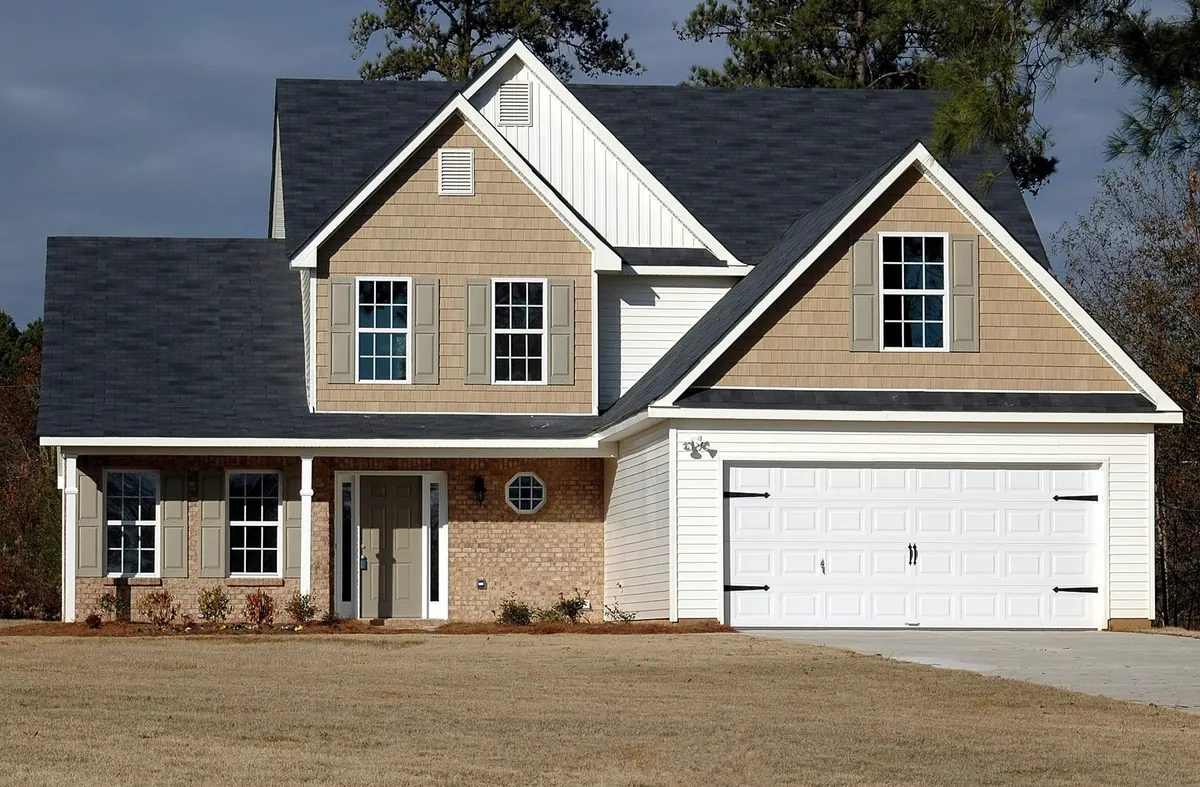
Rental Property Mold Remediation Services in Clearwater
Your bathrooms and kitchens, along with utility spaces and bedrooms, are covered by rental cleanup. Removal addresses damaged carpet, cabinet backing and drywall. Sound surfaces undergo cleaning, then drying.
An assessment of your rental follows condensation, intrusion of water and leaks to their sources. A work scope in writing sets plumbing repairs and rebuilding apart from remediation.
Shared hallways and access for tenants are considered when restricting rooms and routing your debris. Vacancy changes neither moisture checks nor verification; both occur before replacement finishes are installed.
- Rental house and unit assessment
- Checks Inside Shared Walls and Plumbing Cavities
- Contained drywall removal
- Surface cleaning and controlled drying
- Access planning for occupied rentals
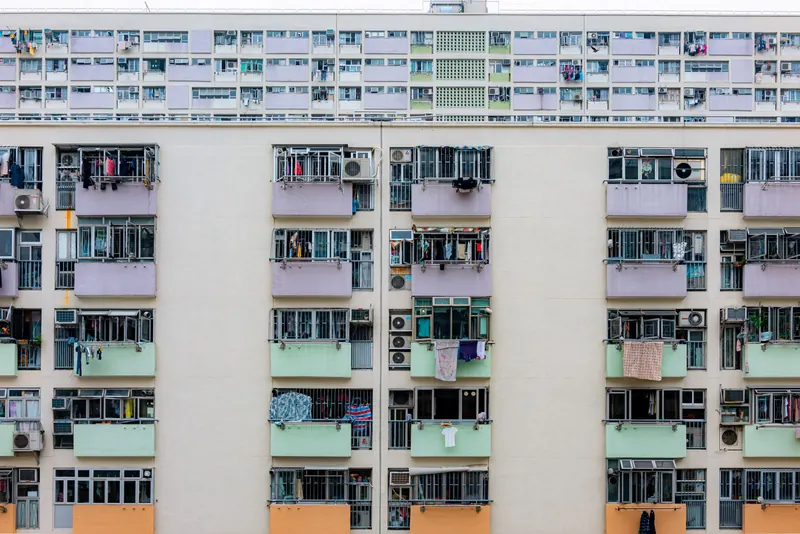
Mold Cleanup Warning Signs for Your Rental in Wright County
Your damp finishes, odor that persists or mold that returns may point to concealed moisture.
Mold in a Rental Property That Keeps Returning
Wiping spots away or repainting does not stop recurrence while moisture persists.
Swollen Cabinets or Softened Rental Walls
Swollen backing or paint that bubbles may signal concealed dampness.
Mold Found in Rental Property During Turnover
Lifting damaged flooring or moving furnishings uncovers growth previously hidden.
Dampness Beside Shared Plumbing
A leak route may show as stains near plumbing or neighboring walls.
A Rental House With a Musty Odor
Your closet, bedroom or cabinet smells damp after cleaning.
How Rental Property Mold Remediation Works
After your assessment, contained removal precedes cleaning. Drying follows, with final checks completing the job.
Rental Assessment
Visible mold growth and access routes are inspected. A moisture meter checks dampness; a thermal imaging camera locates temperature differences but cannot identify mold.
Rental Moisture Source and Scope
Checks assess leaks along with ventilation and communal plumbing. Your written scope of work defines affected materials, source repairs and removal limits.
Rental Work Area Containment
Poly sheeting forms a containment barrier. Protective equipment helps limit spreading mold spores alongside negative air pressure, while the air filtration device is a HEPA air scrubber.
Damaged Material Removal
Inside containment, bags hold unsalvageable cabinet backing, drywall and carpet pad. Protection covers the debris path across shared areas.
Surface Cleaning
Non-porous surfaces and structurally sound framing are cleaned using a HEPA vacuum and damp methods. Physical removal may be supplemented with antimicrobial treatment when appropriate.
Controlled Rental Drying
Air movers assist drying following cleanup, together with a dehumidifier. Moisture readings monitor dampness ahead of closing cavities or replacing flooring.
Verification and Reopening
Containment stays until drying, cleaning and the agreed post-remediation verification are complete. An independent assessor conducts specified clearance testing, followed by necessary repairs before you resume normal room use.
Why Choose Minneapolis Mold Removal Services for Rental Property Mold Remediation
Moisture Source First
To address mold returning, leaks and condensation are tracked down ahead of cleaning.
Removal Through Final Checks
Removal of damaged material and cleaning and drying of sound surfaces precede verification and containment removal.
Contained Work in Your Rental
Containment fits the affected space alongside suitable HEPA filtration; access plans account for areas in use.
Rental Calls Answered 24/7
Across Greater Minneapolis, one number begins your assessment whether you rent, own or act as property manager.
Clear Rental Work Scope
Your removal limits, room restrictions and separate repairs are explained before work begins.
Mold Cleanup in Wright County: What to Do First at Your Rental
Keep damaged materials untouched while you call to schedule an assessment.
- Avoid wet electrical equipment. Do not approach standing water close to electrical outlets or wiring.
- Leave damaged finishes in place. Do not scrape growth, sand walls or lift moldy carpet.
- Keep people away from growth. The affected area should remain off limits to children and pets.
- Avoid spreading particles. EPA warns against operating an HVAC system when contamination may be present.
- Limit fresh water damage. To prevent mold growth, EPA recommends that water-damaged items and areas be dried within 24 to 48 hours.
Your Clearwater, MN Rental: Mold Remediation Cost
These published national ranges are general benchmarks, not rental-specific prices. Your price reflects material damage and access, with cleanup separated from testing and rebuilding.
Typical national range, average $3,500
$1,500 to $9,000 per jobSource: Fixr, Mold Remediation Cost (checked 2026-10-23)Areas Larger Than About 10 Square Feet: Professional Rate
Each square foot: $10 to $30Source: Fixr, Mold Remediation Cost (checked 2026-10-23)Mold Across Around 50 Square Feet
$500 to $1,500 per jobSource: Fixr, Mold Remediation Cost (checked 2026-10-23)Rental Mold Cost in Clearwater: What Changes the Price
- Affected rooms and square footage
- Removal Work Behind Cabinets or Shared Walls
- Access through occupied common areas
- Containment and HEPA filtration
- Separate testing, leak repair and rebuilding
Mold Cleanup Pricing for Your Rental
These published national ranges are planning figures. Your on-site assessment defines the work and price before cleanup starts, including any separate source repairs or rebuilding.
Call (844) 352-3560 about costRental Property Mold Remediation Service Area Across Greater Minneapolis
Call (844) 352-3560 to arrange cleanup in Clearwater or nearby communities. One number covers the metro.
Rental Property Mold Remediation in Locations Near Clearwater
ZIP codes
Frequently Asked Questions About Rental Property Mold Remediation in Clearwater
What needs to be removed from the rental?
Damaged drywall, carpet pad and insulation may need removal. Cleaning and drying often suffice for sound framing and non-porous surfaces. Removal limits reflect the damage found in your assessment. Replacement finishes must appear in your scope to be included, while belongings receive separate evaluation.
How is mold cleanup pricing affected in Wright County?
Your price reflects affected square footage, removal volume, containment and building access. The earlier cards list sources and units for national pricing ranges. Damage hidden from view may alter the required work. Your scope identifies cleanup, separate testing and rebuilding before initial work begins.
Will mold return after the rental is cleaned?
Mold can return if moisture remains. Your assessment tracks down condensation and leaking water ahead of cleanup. Removal or cleaning addresses affected materials, followed by drying of the surfaces that remain. Your rental is less likely to repeat conditions that supported growth with completed source repairs and humidity control.
Can you keep living in the rental while cleanup happens?
Occupant needs, ventilation and access to essential rooms determine whether staying is possible. You may need to stay elsewhere in some layouts despite containment separating the cleanup space. Removal begins after access arrangements are defined. Your kitchen or bathroom remains restricted until final checks and necessary repairs are complete.
Is testing needed before or after rental cleanup?
Visible mold often does not need air sampling under EPA guidance. Moisture checks and inspection define the affected area. Before containment is removed, drying and cleaning undergo checks. When clearance testing is specified, an independent assessor performs it and issues the clearance report. Indoor mold has no federally set limit.
Will the moisture problem in your rental also be fixed?
The assessment determines the moisture source and what corrections are needed. Plumbing, roof and ventilation repairs are included only when listed in your scope. Separate repairs are defined before cleanup, so new drywall or flooring does not cover materials exposed to unresolved moisture.
How much time does rental cleanup need in Clearwater?
Your project schedule follows the affected rooms, damage and access. Opening a wall shared between spaces differs from cleaning a surface. Moisture readings guide drying. Leak repairs, replacement finishes and verification affect when the job is complete and your rooms reopen.
Can cleanup include shared walls or several rental units?
Adjacent spaces enter the scope when assessment finds moisture or damage beyond your unit. The building owner or property owner coordinates access arrangements. Phased remediation can separate work areas in an occupied building, with containment and completion checks for each area.
Rental Mold Cleanup and Insurance in Minnesota
Insurance coverage depends on the moisture cause, policy terms, exclusions and deductible. Building cleanup and tenant belongings may fall under different policies; an insurance claim does not establish the cleanup scope.
Rental Mold Cleanup Precautions in Greater Minneapolis
Containing your work area and restricting entry help limit how far mold spores spread during removal.
Contaminated Water
Sewage or contaminated water damage calls for professional cleanup.
Sensitive Occupants
CDC explains that, in some people, mold can trigger symptoms of asthma and allergies.
Rental Access Boundaries
An assessment covers rooms in use and shared passageways ahead of equipment placement.
Black Mold in Rental Property
CDC cautions that color alone tells you nothing about a mold's risk.
Cleanup scope: EPA says areas under about 10 square feet can often be cleaned by the homeowner. Larger areas or affected HVAC systems call for professional help.
Which Rental Materials Are Cleaned or Removed in Wright County
Whether your materials need removal or can be cleaned depends on their condition.
Non-porous surfaces
- Sound metal and glass, along with tile, are cleaned and dried while backing undergoes separate evaluation.
Porous building materials
- Moldy carpet, insulation and drywall may require removal, while sound wood may be cleaned.
Rental contents
- Your scope determines removal of unsalvageable belongings, which are assessed apart from building materials.
Rental Cleanup Timing in Wright County
Your project schedule follows access, removal volume, drying and necessary repairs.
- Access: Shared spaces and occupied rooms affect when each work area is available.
- Drying: Moisture readings establish when replacement materials can go in.
- Reopening: Final checks and repairs affect when your kitchen, bathroom or bedroom returns to use.
Rental Humidity and Odor Concerns in Clearwater
Your musty smell prompts checks for moisture and examination of materials. Scent cannot fix hidden growth or wall dampness.
EPA recommends an ideal indoor relative humidity range of 30 to 50 percent and a level below 60 percent. Your cleanup benefits from drying equipment, though it cannot take the place of leak repairs or ventilation corrections.
Rental Cleanup Requirements in Minnesota
Rental Work Requirements
The Minnesota Department of Health says neither the state of Minnesota nor any federal agency licenses or certifies mold investigators or remediators. If you are hiring someone, ask about their training and experience, and check your local contractor rules.
Rental Property Information
The Minnesota Department of Health says landlords are generally responsible for controlling moisture and removing mold unless the tenant caused it, and it does not inspect rentals. Renters can ask local building, housing, or health inspectors for help.
State Disclosure Requirements
Minnesota law (Minn. Stat. 513.55) requires sellers of residential property to give buyers a written disclosure of known material facts before signing a sale agreement. The statute text does not name mold specifically.
Local Mold Information
The Minnesota Department of Health, Environmental Health Division, Indoor Air Unit offers phone and email advice on mold at 651-201-4601. It does not offer inspection or testing services.
State guidance: Minnesota Department of Health: Mold in homes; Minnesota Revisor of Statutes: 513.55 Disclosure
Related Services and Next Steps
Start Your Rental Property Mold Remediation in Clearwater
Call 24/7 to arrange your assessment. Your cleanup starts with the affected surfaces, moisture source and access to your home.